
How to avoid identity theft on casino sites
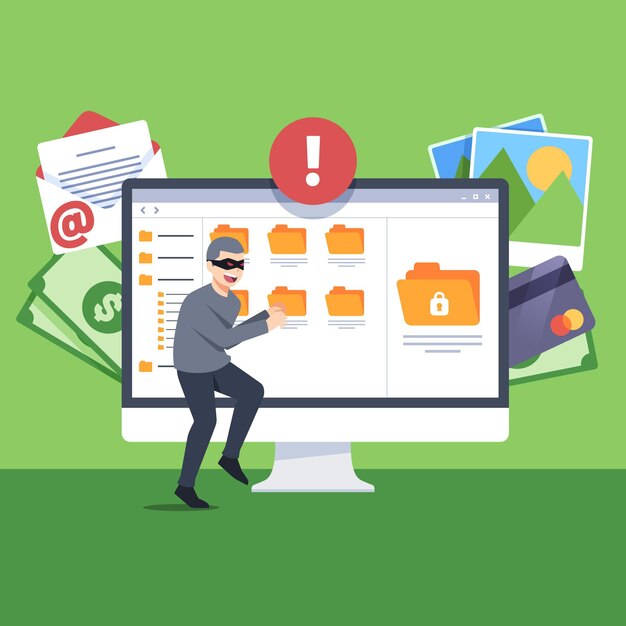
Utilize a robust password manager to create and store unique passwords for each casino account. Strong passwords significantly reduce the risk of unauthorized access. Regularly monitor your financial statements and online accounts for unusual activity, and set up alerts for any transactions made from your casino accounts.
In today's digital landscape, ensuring the security of your online gambling accounts is more important than ever. Identity theft can lead to significant financial and personal consequences, making it vital to implement protective measures. Start by utilizing a robust password manager to create strong, unique passwords for each casino account. Furthermore, enable two-factor authentication on these platforms for added security. It's also essential to monitor your financial statements regularly for any suspicious activities. For more in-depth information on protecting your identity while gambling online, check out casino-days-canada.com for valuable tips and strategies.
Enable two-factor authentication on casino sites whenever possible. This additional layer of security requires a second form of verification, such as a code sent to your phone, making it harder for thieves to gain access to your accounts.
Be cautious with the personal information you share online. Limit the details provided in your casino profiles, and always review a site's privacy policy to understand how your data is handled. Use secure Wi-Fi connections and avoid public networks when accessing your accounts to minimize the risk of data interception.
Consider using a VPN to mask your IP address and encrypt your internet connection. This step adds anonymity, making it much more difficult for hackers to trace your activities or steal your information.
Stay informed about the latest scams and phishing tactics targeting online gamblers. A little knowledge goes a long way in protecting yourself from potential threats.
Understanding the Types of Identity Theft in Online Casinos
Recognize that phishing is a common tactic. Cybercriminals often impersonate legitimate casino sites through emails or pop-up ads to steal personal information. Always verify the authenticity of links before clicking.
Account takeover poses a major risk. Attackers may gain access to your casino account, allowing them to withdraw funds and change your account details. Enable two-factor authentication for added security on your accounts.
Credit card fraud frequently occurs in online gambling. Ensure you use secure payment methods and monitor your statements for unauthorized transactions. Consider virtual credit cards for added protection while playing.
Illegitimate affiliations can lead to identity theft. Some sites may share your information with third parties without consent. Read privacy policies and stick to well-known, reputable casinos.
Data breaches expose your information to cybercriminals. Ensure the casino uses encryption protocols to protect your data. Look for SSL certificates in the URL before entering sensitive information.
Social engineering tactics can also be employed. Be cautious about sharing personal details, even with support staff. Legitimate operators will not require sensitive information unnecessarily.
Stay informed about the latest scams targeting online casinos. Regularly check for updates and alerts related to online security to ensure your safety while enjoying gaming activities.
Identifying Red Flags When Choosing a Casino Site
Check for a valid license. Reputable casino sites display their licensing information prominently, confirming they operate under regulatory authorities. Avoid sites lacking this transparency, as they may engage in unfair practices.
Look for poor website security. If a casino site lacks HTTPS encryption, it can jeopardize your personal information. Ensure the URL starts with "https://" to safeguard your data.
Read player reviews. Visit third-party forums or review sites to gather experiences from other players. Consistent negative feedback about payment delays or unresponsive support indicates issues you should not ignore.
Examine game selection. Limited or outdated games may suggest a lack of investment in user experience. A reputable site regularly updates its offerings and collaborates with recognized game developers.
Inspect the bonus terms. Unreasonably high wagering requirements or obscure terms attached to bonuses can trap you into unfavorable conditions. Read the fine print carefully before accepting any offers.
Test customer support. Reach out via live chat or email with questions. Lack of response or unhelpful answers can signal a lack of professionalism and reliability.
- Verify payment options. Ensure the site provides reliable and secure banking methods.
- Watch for unrealistic promises. If a site claims excessively high returns, treat it with skepticism.
- Check for responsible gaming policies. A good casino site offers resources to promote responsible gambling.
By keeping these indicators in mind, you can make informed decisions and protect yourself while enjoying online gaming experiences.
Effective Strategies for Securing Your Personal Information
Use complex passwords that combine letters, numbers, and symbols. Avoid using easily guessed information such as birthdates or names. Consider using a password manager to generate and store your passwords securely.
Enable two-factor authentication (2FA) on all your accounts. This adds an additional layer of security, requiring a second piece of information, usually sent to your phone, before accessing your account.
Regularly monitor your financial statements and online accounts. Set up alerts for unusual transactions to catch any potential fraudulent activities quickly.
Utilize a virtual private network (VPN) when accessing public Wi-Fi, especially on casino sites. This encrypts your internet connection, making it harder for anyone to intercept your data.
Be cautious about sharing personal information online. Limit the amount of data you provide on social media and avoid oversharing during online interactions.
Keep your software and devices updated with the latest security patches. This helps protect against known vulnerabilities that malicious actors may exploit.
Consider reviewing your online accounts frequently, especially those linked to financial or personal data. Delete accounts that are no longer in use to reduce potential exposure to identity theft.
Educate yourself on phishing scams. Be skeptical of unsolicited emails or messages that request personal information. Always verify the source before clicking any links or providing data.
Regularly check your credit report for any unfamiliar accounts or activities. This allows you to catch any identity theft early on and take necessary action.
Utilizing Two-Factor Authentication for Added Protection
Activate two-factor authentication (2FA) on your casino account settings. This adds an extra layer of security beyond just your password. Most platforms support 2FA through apps such as Google Authenticator or Authy.
After enabling 2FA, each time you log in, you will receive a unique code on your mobile device. Entering that code confirms your identity. If someone tries to log in with just your password, they won't be able to access your account.
Regularly update your authentication method. Choose an authenticator app instead of SMS codes when possible. SMS can be intercepted, while authenticator apps generate time-sensitive codes that update every 30 seconds, making them significantly more secure.
Stay alert to unusual activity in your account. If you receive a notification of a login attempt but didn’t initiate it, change your password immediately and review your account settings.
Enable notifications for login attempts. This keeps you informed of any unauthorized access attempts. Combine this with 2FA for the greatest protection against identity theft.
What to Do If You Suspect Identity Theft
Immediately contact your bank and credit card companies. Report the fraudulent activity and request to freeze or close accounts at risk. This step helps prevent further unauthorized transactions.
Review your credit reports for unfamiliar accounts or inquiries. Obtain reports from all three major credit bureaus–Equifax, Experian, and TransUnion. Dispute any inaccurate information to ensure your credit history remains intact.
File a report with the Federal Trade Commission (FTC) at IdentityTheft.gov. Provide details of the theft; this report acts as a legal document to support your claims.
Consider placing a fraud alert on your credit file. This precaution alerts lenders to verify your identity before extending credit. You can initiate this by contacting one of the credit bureaus, and they will inform the others.
Document everything related to the theft. Keep records of conversations, emails, and any steps you take. This organized approach simplifies follow-up actions and helps build your case.
Stay vigilant. Monitor your financial accounts regularly for new suspicious activity. Install identity theft protection services, if necessary, to offer additional security.
If applicable, change passwords and security questions for your online accounts. Choose strong, unique passwords to enhance security across platforms.
Lastly, maintain communication with law enforcement. If necessary, file a police report. This can be useful for creditors and lenders in resolving disputes related to your identity theft case.
Staying Informed: Resources and Tools to Monitor Your Identity
Utilize credit monitoring services like Credit Karma or Experian to keep tabs on your credit reports. These platforms notify you of any unusual activity and help you detect potential identity theft early. Set up alerts for new accounts opened in your name, which could indicate unauthorized access.
Leverage identity theft protection tools such as IdentityGuard or LifeLock. They offer features like dark web monitoring, where they scan for personal information to prevent misuse. Regularly check their reports to stay aware of any suspicious activities related to your identities.
Consider a subscription to fraud detection services. Companies like PrivacyGuard provide monthly credit score updates and identity theft insurance in case of fraud. This proactive measure acts as a safety net against potential financial loss due to identity theft.
Tap into free credit reports from AnnualCreditReport.com. You’re entitled to one free report annually from each of the three major credit bureaus. Review these reports carefully for errors or unfamiliar accounts that should be investigated.
Engage with community resources for identity theft awareness. Local law enforcement agencies often host workshops on fraud prevention. Participating in these can enhance your understanding of common tactics used by criminals.
| Resource | Description | Website |
|---|---|---|
| Credit Karma | Free credit monitoring and score updates. | creditkarma.com |
| Experian | Credit report monitoring with alert notifications. | experian.com |
| IdentityGuard | Comprehensive identity theft protection with monitoring. | identityguard.com |
| LifeLock | Identity theft protection with restoration services. | lifelock.com |
| Annual Credit Report | Free access to your credit reports from all bureaus. | annualcreditreport.com |
Monitor your financial statements regularly. Check bank and credit card transactions for any unauthorized charges, signaling potential identity theft. Timely reporting of such discrepancies can help contain the issue quickly.
Stay active on social media security settings. Regularly review who can access your personal information and adjust privacy settings to limit data exposure. This can help reduce the risk of thieves gathering personal details for fraudulent activities.